A haunted house means different things depending on who built it and when. It can be a storytelling tour through a building with a dark history, a theatrical walk-through full of actors and fog machines, or a themed escape room where the fear comes from a ticking clock. Melbourne has seen versions of all of these over the years, and this section looks at what those formats actually involve, using the lineup of a former St Kilda Halloween festival as the starting point.
What Counts as a Haunted House
In the broadest sense, a haunted house is any space designed to produce fear on purpose. That covers everything from a single decorated room at a house party to a multi-storey commercial attraction with a paid cast of performers. The common thread is theatre: lighting, sound, timing and a controlled environment that lets a designer decide exactly when you are supposed to feel uneasy. Unlike a horror film, you cannot look away from the screen, you are inside the set, which is part of why the format has stayed popular even as film and television horror has changed around it.
The Formats You'll Find
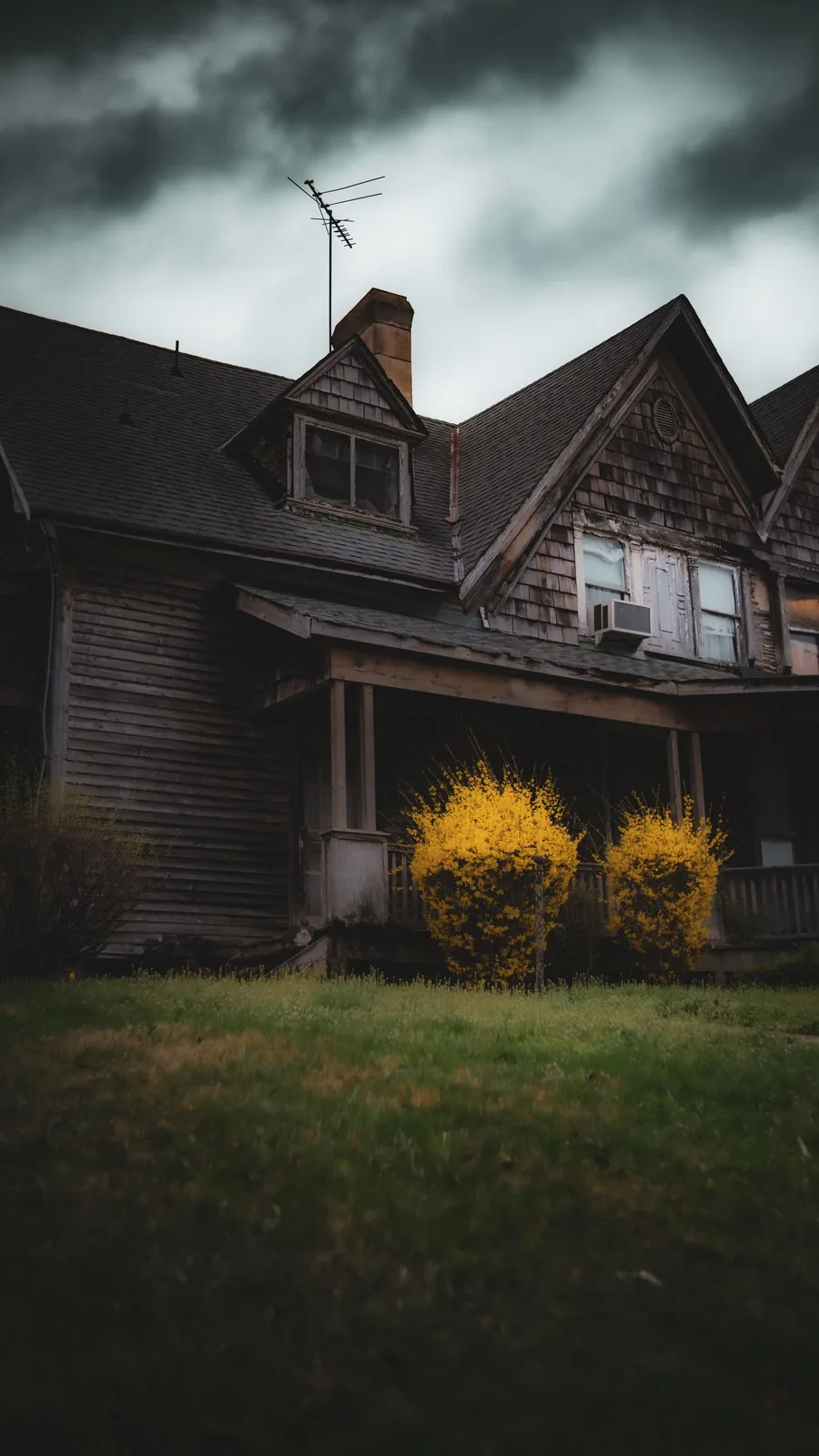
Walk-through haunted houses are the most familiar version: a fixed path through a series of rooms, usually with a loose story and a cast of actors who appear at set points along the route. Blood Manor is an example of this format built around a haunted mansion theme, one of the oldest and most recognisable settings in the genre. A second format swaps actors for puzzles: horror-themed escape rooms, like the one once run under the name Escape the Swamp, put a small group in a themed room and ask them to solve their way out before time runs out, with the horror theme used for atmosphere rather than physical scares. A third format leans on a specific fear or image rather than a location, which is how an attraction such as Phobia approached things, building its rooms around particular anxieties rather than a single haunted setting.
How This Lineup Looked at Spooktober
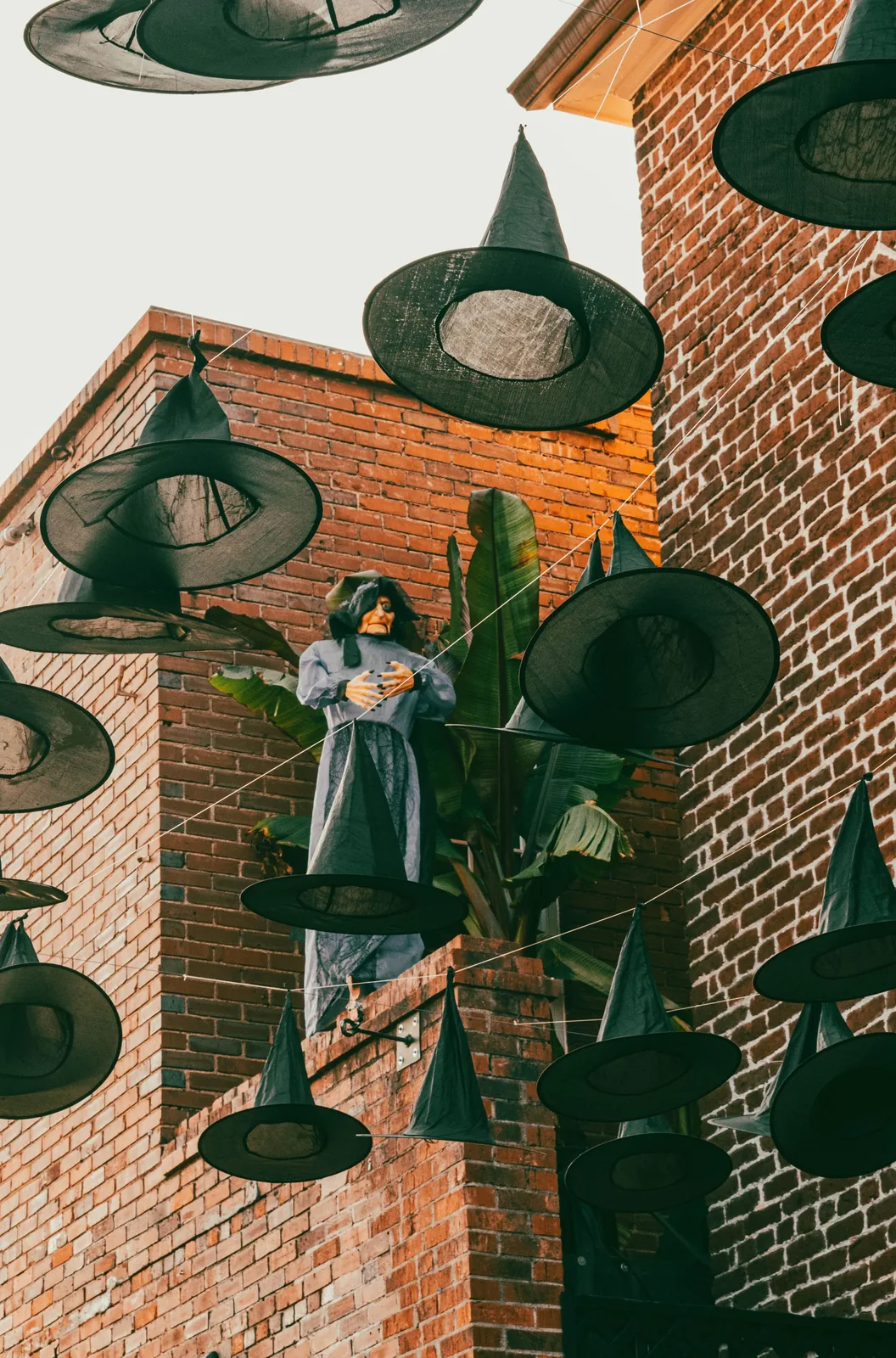
Between 2018 and 2019, the Spooktober festival held in St Kilda listed its haunted attractions under a "Haunts" section of its own website, separate from the food stalls, bar and stage that made up the rest of the programme. That lineup included a mansion-themed house, a doll-themed room, a gentler family version, a swamp-themed escape room, a fear-focused attraction and a witch-themed one, each run for the duration of the festival and then packed away once the season ended. None of those attractions are running today, and this guide exists to document what they were and to use their themes as a starting point for talking about the genre in general, not to sell tickets to anything.
Choosing What's Right for You
If you are planning to visit a haunted attraction somewhere in Melbourne this year, the biggest variable is intensity rather than theme. A "haunted house" aimed at families during the day can be almost entirely jump-scare-free, built more around spooky decor than real fright, while an after-dark version of the same building might involve actors making physical contact with guests, strobe lighting and sudden loud noise. Operators that take this seriously will usually publish some kind of scare rating or age guidance before you buy a ticket, and our own breakdown of how those ratings tend to work sits in our scare levels guide, worth a read before you commit to the scariest option on the list.
Before You Go
A few practical habits apply across every format in this section. Check whether the attraction is indoors or outdoors, since that changes what to wear. Ask whether strobe lighting or fog effects are used if you have any sensitivity to either. Decide in advance whether you want the version with actors who touch guests or the version that keeps a safe distance, because most venues offer both and will tell you the difference if you ask at the door. None of that takes the fun out of it, it just means the fear you get is the fear you chose, rather than one that catches you by surprise for the wrong reasons.