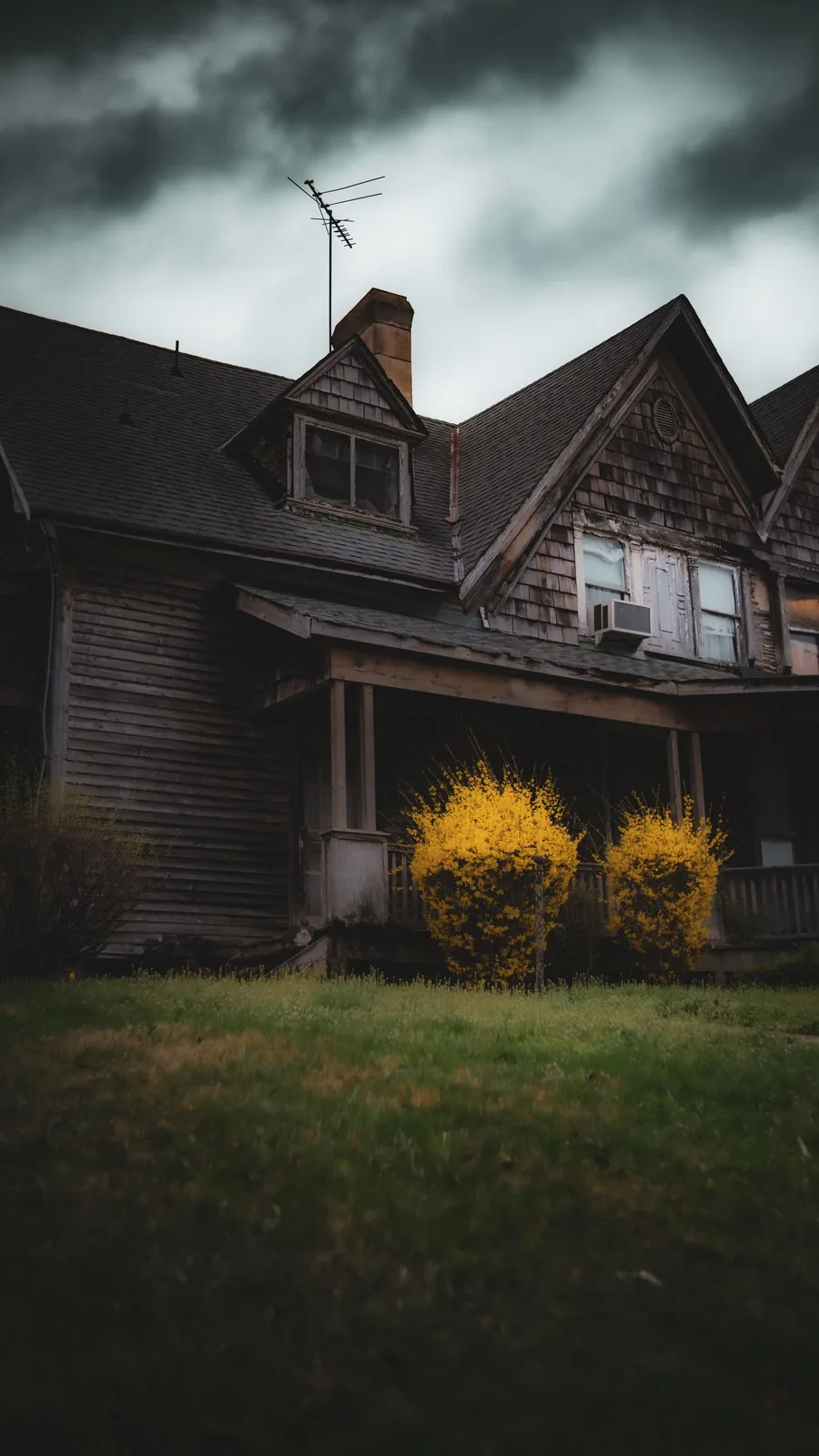
Trick or Treat Manor was the gentler entry in the Spooktober festival's 2018 "Haunts" lineup in St Kilda, built for families and younger children rather than for anyone chasing a real scare. Where other attractions in the same section leaned into mansion horror or specific fears, this one was designed to let kids experience the shape of a haunted house, dim lighting, a bit of theatrical spookiness, a reward at the end, without the jump scares or physical contact from actors that come with an after-dark attraction. It ran for one season and has not operated since, but the idea behind it is worth unpacking on its own, because choosing the right intensity of Halloween activity for a child is a genuinely useful thing to get right.
What Trick or Treat Manor Offered
Positioned alongside more intense attractions in the same lineup, Trick or Treat Manor was built around the trick-or-treat tradition itself rather than around horror. Rather than actors jumping out at guests, the format likely leaned on decoration, mild theatrics and the ritual of collecting treats along a path, the parts of Halloween that work for a five-year-old just as well as for a teenager. That made it the odd one out next to a mansion-themed house or a fear-focused room, and it's a useful reminder that "haunted house" at a festival doesn't have to mean genuinely frightening.
How Family Attractions Differ From Scare Attractions
Commercial haunted house operators typically run two very different products under one roof: a daytime or early-evening session aimed at families, and a separate, more intense "after dark" version later at night. The family version strips out physical contact between actors and guests, keeps lighting at a level where nobody genuinely loses their footing, and relies on recognisable, friendly-spooky imagery, pumpkins, friendly ghosts, cobwebs, rather than anything designed to trigger a real startle response. The after-dark version of the same building might add actors who get close, sudden loud noise, strobe lighting and a much darker route. Knowing which version you're booking matters more than the attraction's name, since both might be marketed under the same heading.
Choosing the Right Activity for Your Child's Age
A toddler and a ten-year-old do not want the same Halloween. Very young children generally do best with static displays, pumpkins, costumes, decorated shopfronts, rather than anything designed to move or jump. Primary-school-aged kids are usually ready for a mild haunted walk with gentle surprises, as long as it's clearly sign-posted as family-friendly and doesn't involve actors touching guests. Pre-teens and teenagers often want something closer to a genuine scare, and plenty of family events quietly let older kids opt into a slightly more intense version while younger siblings stick to the gentle one. If in doubt, it's worth asking the venue directly how their family session differs from any evening one before you buy tickets, since the answer varies a lot between operators.
Planning a Family Halloween Outing
If you're building a Halloween day around younger kids, a mix of activities usually works better than one long attraction. A trick-or-treat trail gives children the collecting-and-walking part of the day, a run of simple games and rides keeps things moving if attention spans are short, and if you're organising something for a group rather than just your own family, our notes on birthday and group outings cover how to adapt a Halloween theme for a party rather than a solo family trip. For older siblings who want a bit more of a fright than the rest of the group, the broader haunts section covers the more intense formats so you can decide in advance what they're actually ready for.