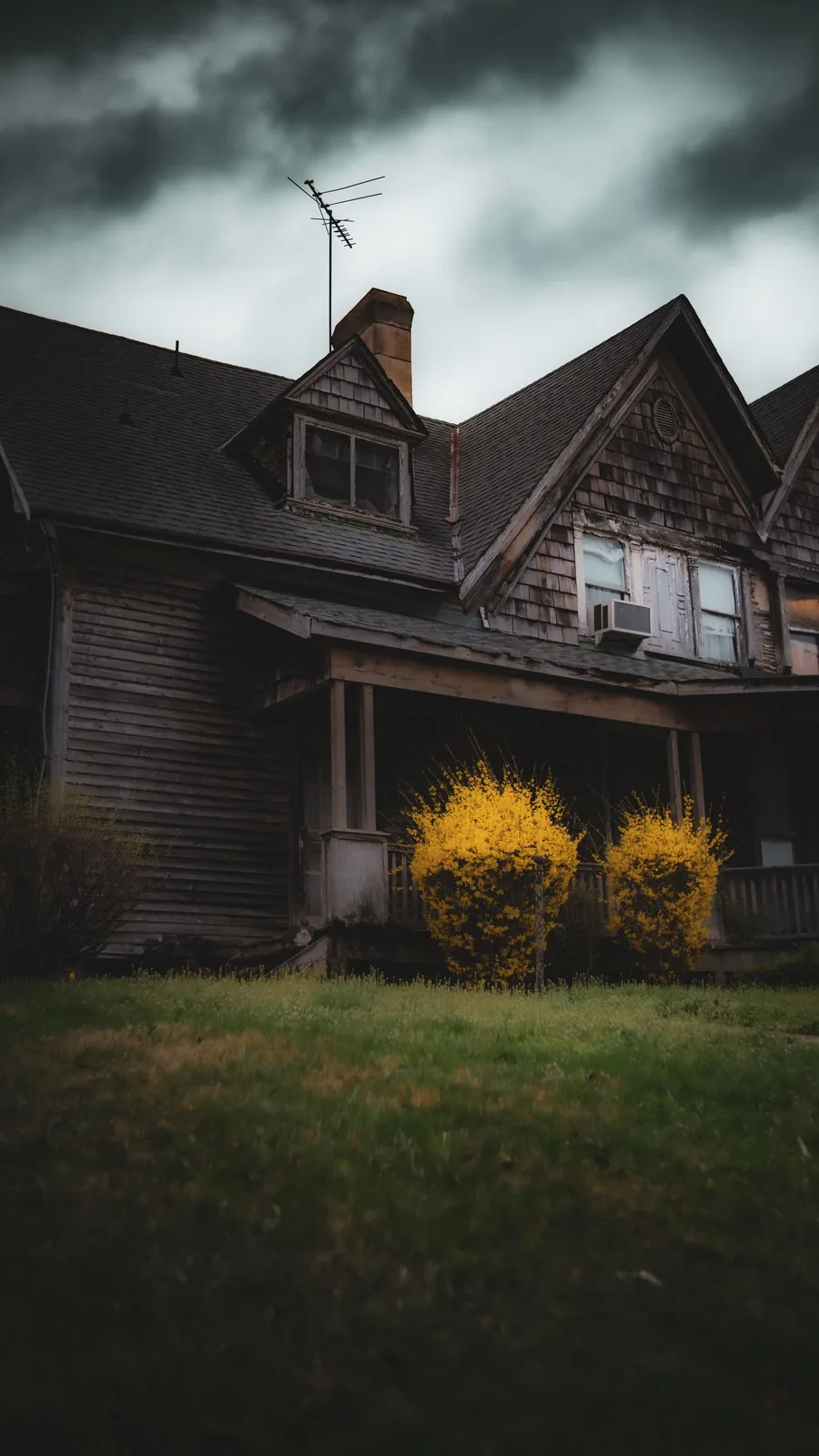
Escape the Swamp ran as part of the Spooktober festival's "Haunts" lineup in 2019, swapping the mansion and walk-through formats used elsewhere in the programme for a swamp-themed escape room. Rather than a fixed path with actors appearing at set points, the format put small groups inside a themed space and set them a puzzle to solve against the clock, with the horror used for mood rather than for physical scares. The attraction ran for that one Halloween season and is not currently operating, but horror escape rooms as a format are common enough around Melbourne that it's worth covering properly on its own terms.
What Escape the Swamp Was
Little detail survives from the festival's own listing, but the name and the swamp theming suggest a single-room or small-set puzzle experience rather than a long walk-through, with decor built around a murky, overgrown setting rather than a haunted building. Unlike the more theatrical attractions in the same "Haunts" lineup, an escape room format depends on the group doing the work themselves, solving locks, codes and hidden mechanisms, rather than simply walking past a series of staged scares.
How Horror Escape Rooms Are Built
An escape room, horror-themed or not, is built around a time limit, usually around an hour, and a sequence of puzzles that a small group has to solve together to get out of the room. Designers generally try to tie every puzzle to the story rather than scattering generic logic puzzles through the space, since a cipher that only makes sense once you know the room's backstory feels earned in a way a random padlock combination doesn't. A horror-themed room leans on atmosphere to do a lot of the work: low lighting, sound design, props that look like they belong to whatever story the room is telling, an abandoned swamp outpost, a cursed cabin, a flooded basement. Some horror rooms add light physical elements, such as a restraint to work free of, on top of the usual locks and codes, though reputable operators are careful to keep anything like that clearly safe and easy to exit at any point.
What Makes a Good One
The best horror escape rooms use the time pressure itself as part of the scare, since a ticking clock raises tension even without a single jump scare, and they keep puzzles solvable with information found inside the room rather than relying on outside trivia. Hint systems matter more than people expect going in: most reputable rooms build in a way to call for help, often through a gamemaster watching remotely, rather than leaving a group stuck and panicking for the full hour. If you're choosing between a few options, it's worth asking how hints are delivered and how physical the room gets before you book, since that varies a lot between operators even within the same horror theme.
Tips for Getting Through One as a Team
Communication matters more than any individual puzzle-solving skill. Groups that call out what they're seeing out loud, rather than quietly working alone in a corner, tend to do noticeably better, since escape rooms are deliberately designed so that no one person has every piece of information needed to finish. It helps to assign rough roles early, someone tracking time, someone organising found objects, rather than everyone chasing the same lock at once. If horror escape rooms interest you as a format, a fear-themed attraction such as the former Phobia explored a similar idea of building a room around a specific anxiety, while a witch-themed one like The Coven shows how folklore gets used as set dressing in haunted attractions more broadly. If escape rooms end up not being your group's thing, the games and rides page covers other options for a Halloween outing that still involve a bit of competition without the locked-room pressure.