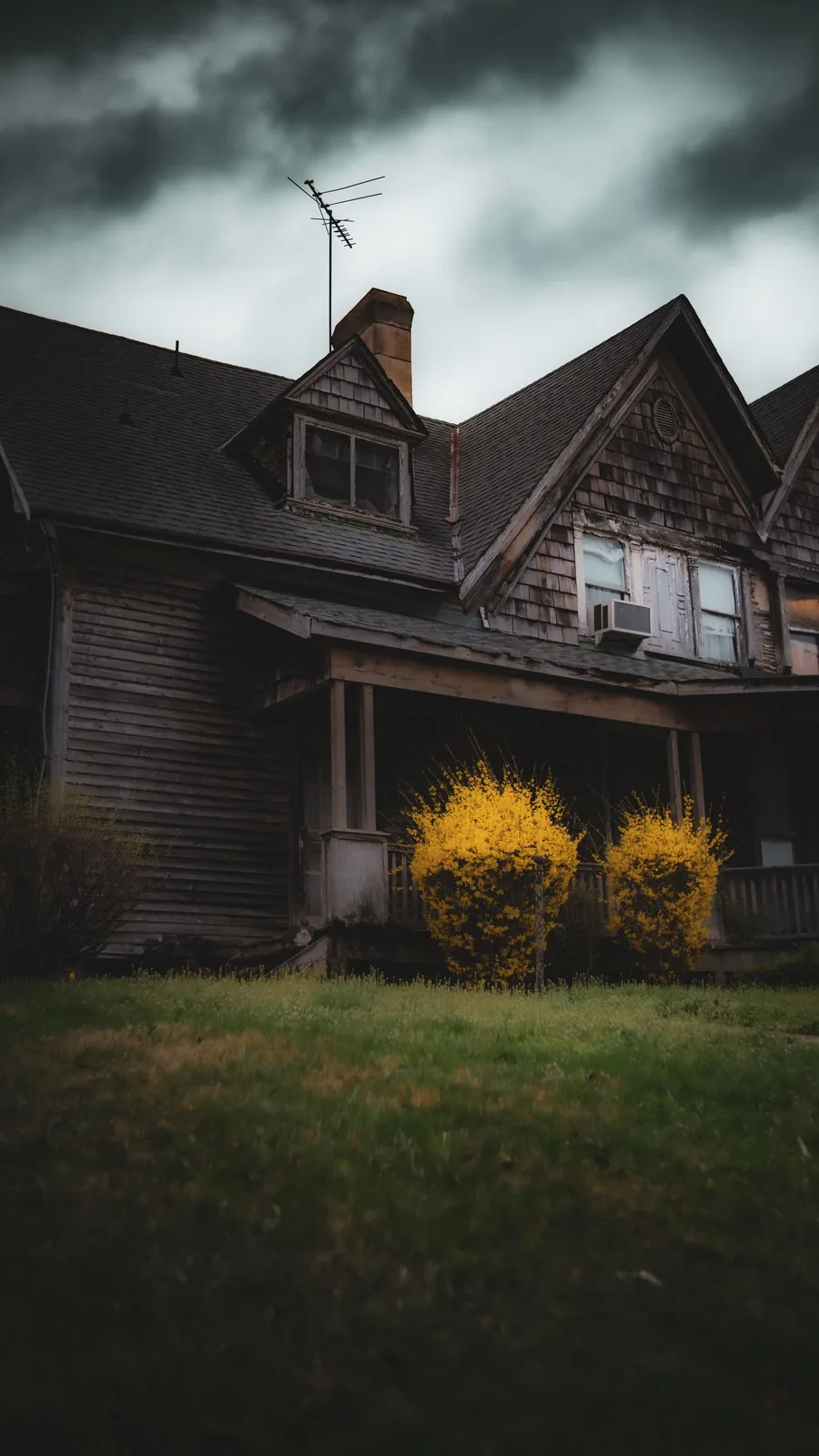
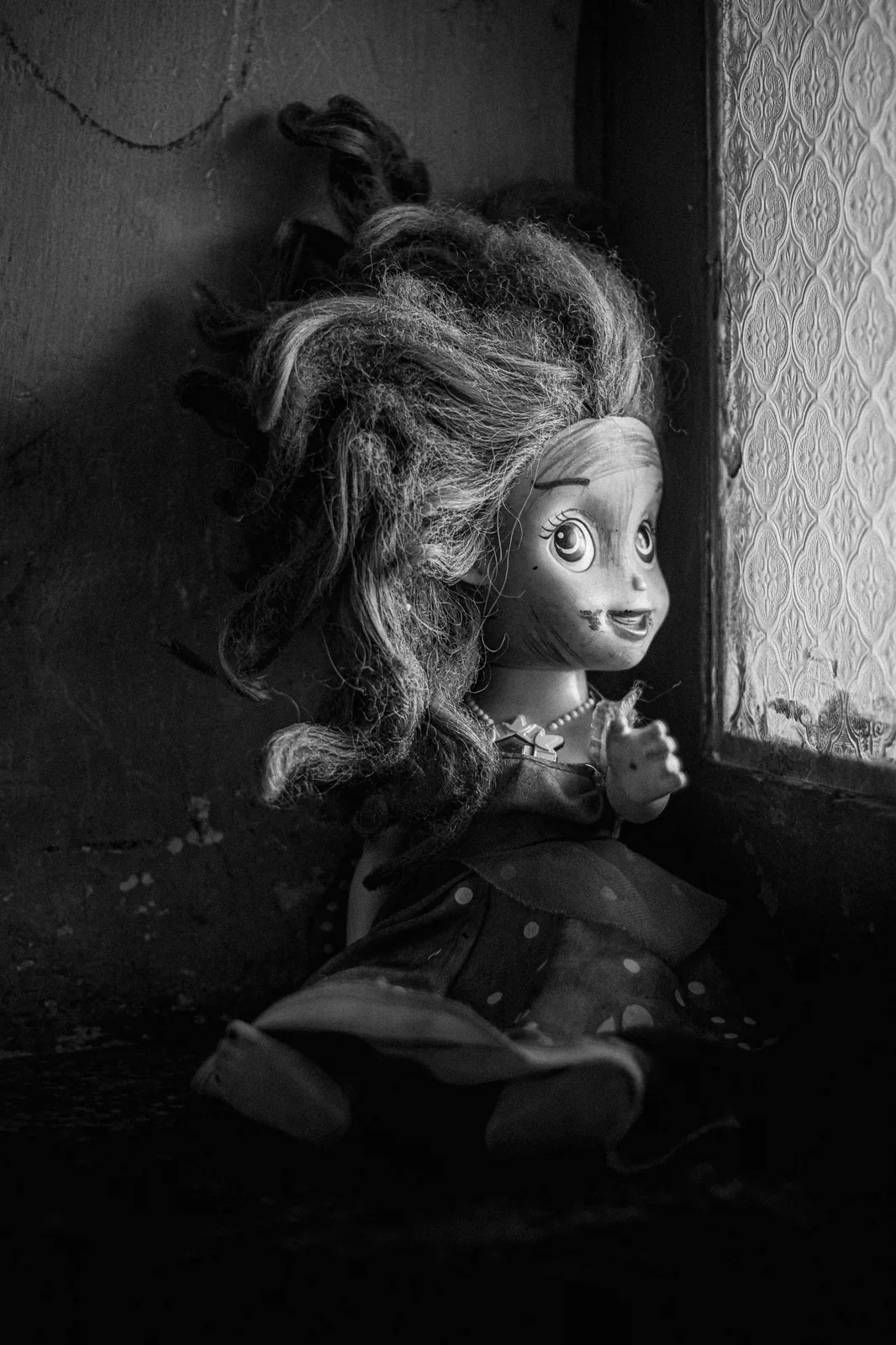
Phobia ran in 2019 as part of the Spooktober festival's "Haunts" lineup in St Kilda, built around a different idea to most haunted houses: instead of one setting, like a mansion or a doll factory, it used specific fears as its organising theme. The attraction is no longer running, but the idea behind it, that a haunted house can be built around a particular anxiety rather than a location, is worth looking at properly, since it touches on real, researched fears rather than invented ones.
What Phobia Was
Details from the festival's own materials are thin, but the "Phobia" name and its place inside the "Haunts" section suggest an attraction built around a sequence of specific fears rather than a single haunted setting, a different structural idea to a mansion-themed house like the one run under the name Blood Manor, or a single unsettling image like the one built into The Doll Factory. It ran for the 2019 season and has not operated since.
What a Phobia Actually Is
A phobia, in the clinical sense, is not just a strong dislike of something. The DSM-5, the manual psychiatrists and psychologists use to classify mental health conditions, groups specific phobias into a handful of broad types: fear of animals, fear of the natural environment, such as heights or storms, fear of particular situations, such as flying or enclosed spaces, fear connected to blood, injections or injury, and a catch-all "other" category that includes things like a fear of costumed characters. Haunted houses, deliberately or not, end up touching several of these categories at once, which is a large part of why the format works on so many different people for different reasons.
Two Fears Haunted Houses Lean On Heavily
Coulrophobia, an intense fear of clowns, is one of the fears haunted attractions use constantly, and it has had at least one proper look from researchers. A study built on responses from members of an online support group, ninety-five people in total, found the fear typically started young, with an average age of onset around nine, and that it was linked to real psychological distress and difficulty functioning socially, with some participants also dealing with depression, obsessive-compulsive disorder or panic disorder. The researchers were upfront that their sample was self-selected, people who sought out a support group for the fear in the first place, so the numbers shouldn't be read as describing how common or severe the fear is in the general population. Claustrophobia, fear of enclosed spaces, is the other fear almost every haunted house uses, through tight corridors, low ceilings and rooms that seem to close in. Clinical descriptions are specific about what's actually going on: people with claustrophobia aren't frightened of the enclosed space as such, they're frightened of what might happen while they're stuck in it, being trapped, losing control, not being able to get out if something goes wrong. A good haunted house designer understands that distinction and uses it, since the scare isn't really the tight hallway, it's the feeling of no easy way out of it.
Judging Whether an Attraction Suits You
If you know you have a strong reaction to a particular fear, clowns, enclosed spaces, dolls, the dark, it's worth checking what a specific attraction involves before you commit to a ticket, since "haunted house" covers a huge range of intensity and content. Reputable venues publish some kind of warning about strobe lighting, fog, tight spaces or actors making contact with guests, and our guide to common haunted house warnings covers what those usually mean in practice. Our scare levels guide is a useful companion to that, breaking down how venues tend to describe intensity so you can match an attraction to what you're actually comfortable with, rather than finding out the hard way halfway through a corridor you can't easily leave.