In 2018, Spooktober's program at St Kilda Town Hall included a pumpkin-themed feature called The Drunken Pumpkin, sitting alongside the festival's Food Truck Park and other grounds attractions. That specific feature is no longer running, and this site has no connection to the festival or its former organisers. The name, though, points at something worth covering properly: pumpkins are one of the few Halloween symbols that are also genuinely useful to eat, carve and cook with, so this page moves from that history into pumpkin ideas you can actually use this season.
What The Drunken Pumpkin was
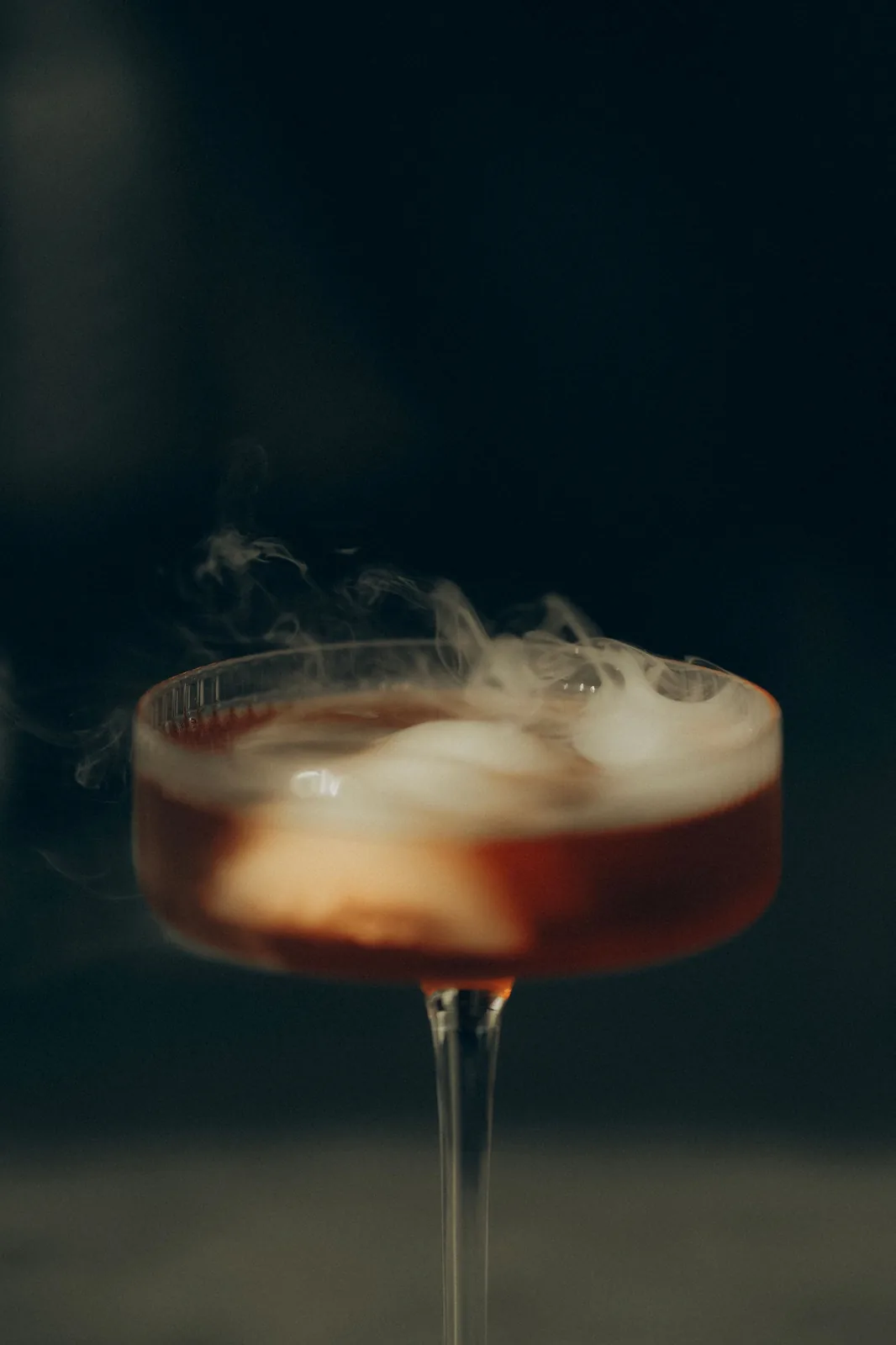
Based on its placement in the old festival program, the feature appears to have been a food or drink attraction built around the pumpkin theme, likely pairing seasonal flavours with the sort of playful, adults-leaning branding its name suggests. No detailed menu from the period survives in the material available here, so beyond its name and position in the program, it is best treated as a piece of festival history rather than a specific product you can still find anywhere.
Why pumpkins became the Halloween symbol
The carved pumpkin traces back to an Irish folktale about a man usually called Stingy Jack, who tricked the devil and ended up barred from both heaven and hell, wandering the afterlife with only a burning coal for light. According to the story, he placed that coal inside a hollowed-out turnip to make a lantern, and Irish and Scottish communities began carving their own turnip or potato lanterns around Samhain, the end-of-harvest festival, to frighten off wandering spirits. When large numbers of Irish immigrants arrived in North America in the mid-1800s, they kept the tradition but switched to pumpkins, since they were far easier to carve than a turnip and grew abundantly in their new home. That swap is the direct reason a carved pumpkin, not a carved turnip, is now the default image of Halloween almost everywhere the holiday is celebrated.
Carving a jack-o'-lantern that holds up
A pumpkin that looks good on the night starts with picking one that is firm, with no soft spots, and with a flat enough base to sit without rolling. Cutting the lid at an angle rather than straight down makes it easier to put back in place afterward. Scooping the inside clean, including scraping the wall thinner than you might expect, helps candlelight show through the carved face more clearly once it gets dark. If you want the carving to survive more than a day or two in Melbourne's often warm late-October weather, keeping it out of direct sun and giving the cut edges a light coating of vegetable oil slows down the wrinkling and mould that ruin a jack-o'-lantern faster than almost anything else.
Cooking with pumpkin instead of just carving it
The flesh scooped out of a carving pumpkin does not need to go straight in the bin. Roasted, it works in a simple soup with stock and a handful of spices, or cubed and roasted alongside other vegetables as a side dish. The seeds, rinsed and dried, roast well with a little oil and salt for a snack that uses up part of the pumpkin that would otherwise be wasted. For a party, a simple pumpkin dip or a batch of spiced pumpkin baked goods tends to go further with a crowd than an elaborate dessert that takes hours of oven time on a night when the kitchen is already busy.
Related reading
For more on festival food in general, the food truck park page covers what to expect from mobile vendors at Melbourne events, and the Food Truck Village page looks at Halloween party food and seasonal treats beyond pumpkin alone. The What's On hub is the place to go for the rest of a typical festival program if pumpkins are only one part of your plans for the night.