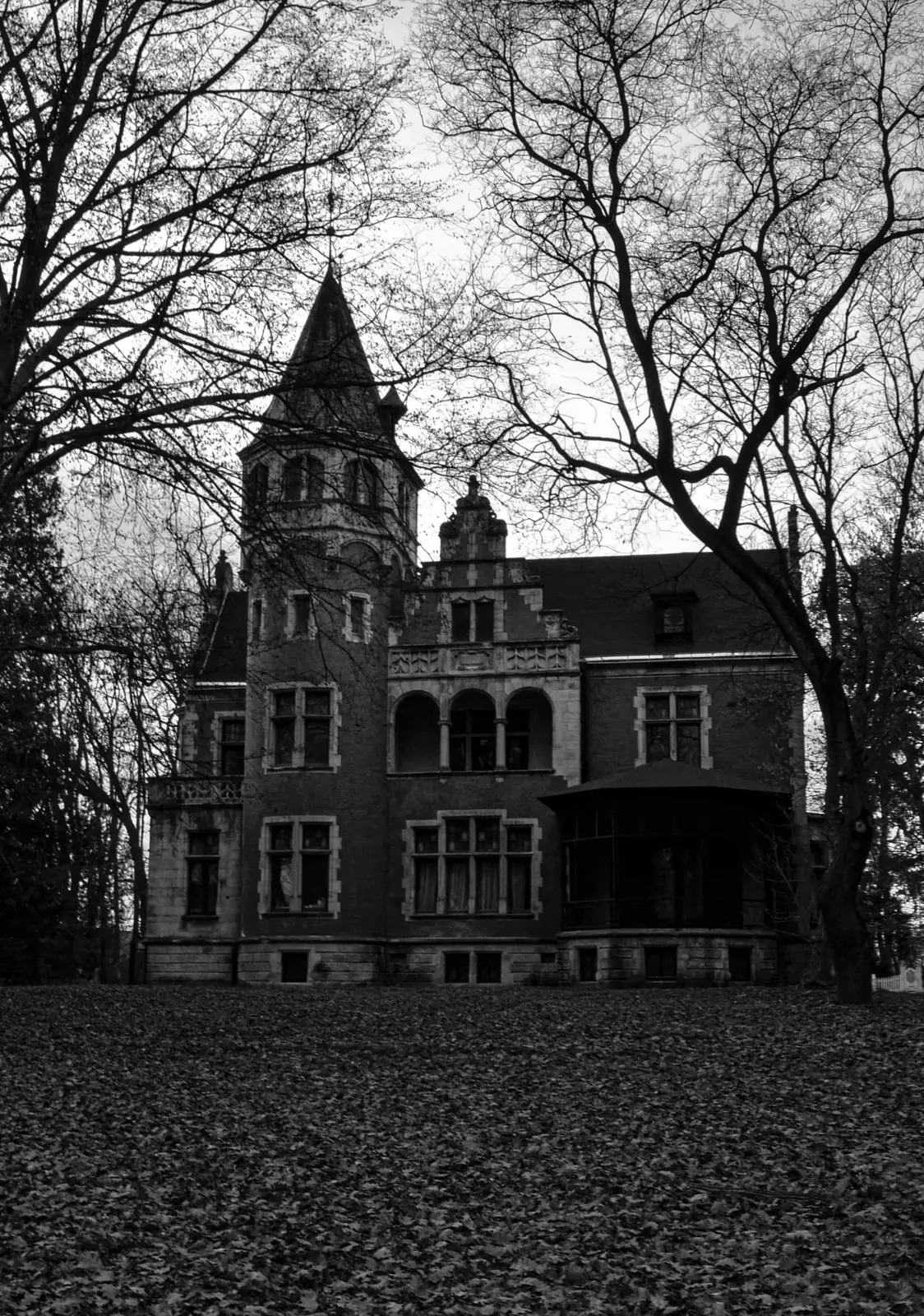
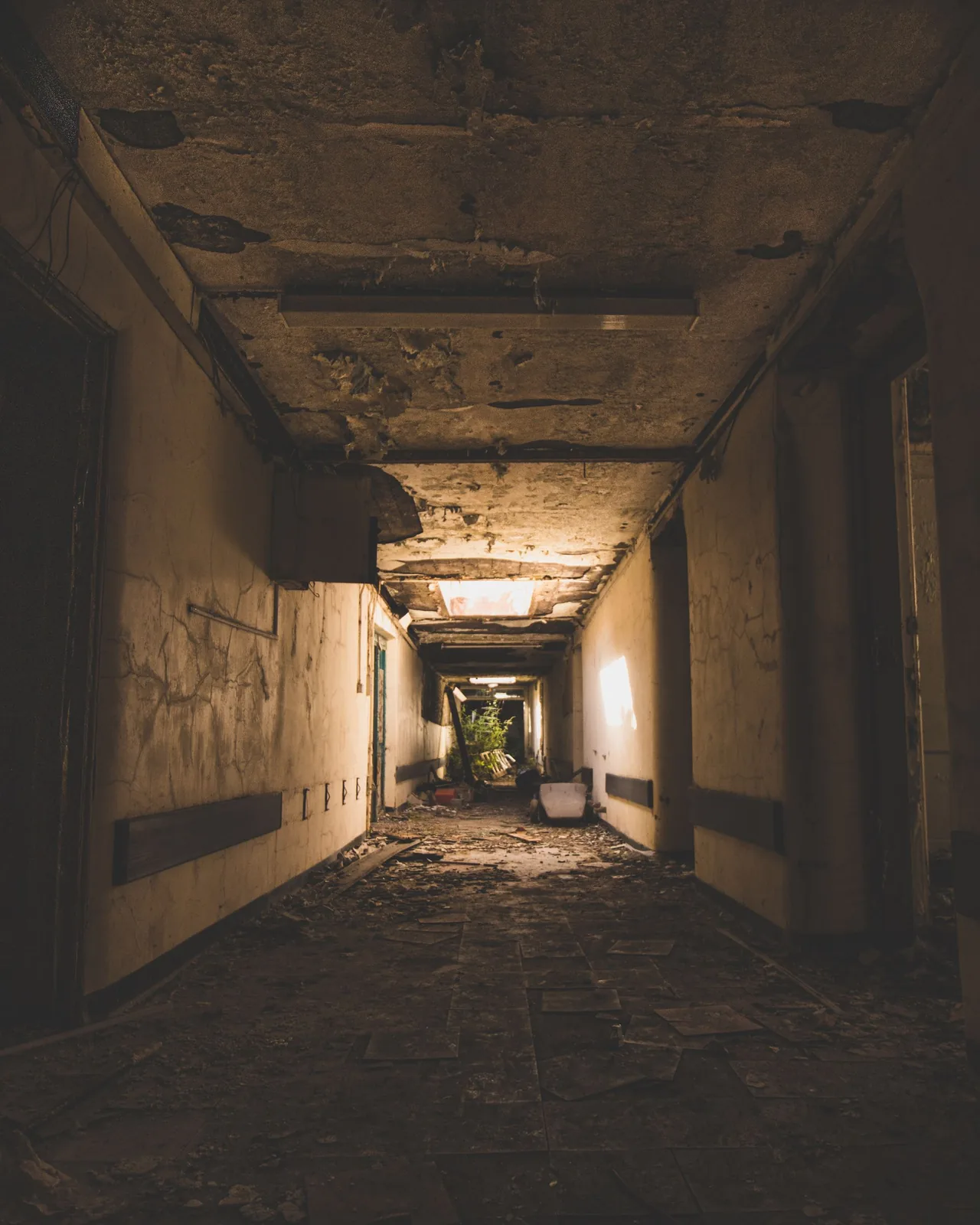
Spooktober's 2016 programme grouped its walking and staged attractions under a "ghost tours" section, which is where two of the festival's better documented experiences sat: Haunted Manor and the Asylum-themed attraction. Both were part of the wider Halloween festival programme that year, and both used the same basic promise, that visitors would move through a space with a backstory and encounter scares along the way, even though the two differed quite a bit in tone and format.
Ghost tour or haunted house tour: not quite the same thing
The phrase "ghost tour" gets used loosely, but it covers two fairly different experiences. A traditional ghost tour is a guided walk, usually through a real location with a documented or claimed history of hauntings, where a guide talks through the stories attached to that place. The scares, if any, come from atmosphere and storytelling rather than staged effects: dim lighting, an old building, a guide who knows how to pace a story. A haunted house tour, by contrast, is built specifically to frighten. It uses sets, actors, sound and lighting cues, and sometimes jump scares, to put visitors through a deliberately constructed horror experience rather than a history lesson. The line between the two blurs when an event uses a real building's spooky reputation as the backdrop for an otherwise staged scare experience, which is roughly what a lot of festival-era "ghost tours" did.
Neither format is inherently better than the other. A narrated walk suits people who want atmosphere and a bit of local history without being chased by an actor in a mask. A staged haunted house suits people who want a more intense, theatrical scare and are comfortable with actors invading their personal space within whatever limits the attraction sets.
Spooktober's take: Haunted Manor and Asylum
Within Spooktober's ghost tours section, Haunted Manor was positioned as the more flexible option, running a gentler daytime version suitable for families and a more intense "After Dark" session later in the evening for adults and teenagers. The Asylum-themed attraction took a more straightforwardly horror-driven approach, built around the familiar genre trope of an abandoned psychiatric facility, and traced back to an earlier standalone haunted house event in Melbourne before becoming part of Spooktober's programme. We cover each in more detail on the Haunted Manor and Haunted Asylum pages, including what we could independently verify about Asylum's earlier run.
Common formats you will see at ghost tour style events
Beyond Spooktober specifically, ghost tour and haunted house events generally fall into a handful of recognisable formats. Walking tours move a group through streets or a building with a guide narrating as they go, usually at a fixed pace with no physical interaction. Staged walkthroughs move visitors (often in small groups) through a themed, built set with actors performing scares along a fixed path. Escape-room style horror experiences add a puzzle element on top of the scares, asking the group to solve something before they can move on. Outdoor trail formats, more common at larger festival sites, spread scenes or actors across an outdoor path rather than an enclosed building. Each format suits a different comfort level and group size, and most events will say upfront which one they are running.
Choosing between a tour and a haunted house
If you are deciding which kind of experience to book, think about who is in your group and what you actually want from the evening. A mixed-age family outing, or anyone who gets uneasy in tight dark spaces, usually does better with a narrated walking tour or a family session of a staged attraction rather than a full-intensity after-dark run. If you want a genuine scare and are comfortable with actors in close proximity, a staged haunted house attraction delivers more of that than a storytelling walk ever will. Checking an event's own scare rating before booking is worth doing either way, and our scare levels page explains how those ratings are usually described and what they tend to mean in practice.